Nurturing Nature: Essential Practices for Sustainable Forestry and Wildlife Conservation
As we delve deeper into the 21st century, the echoes of nature’s call resound louder than ever. The urgency for sustainability, driven by climate change and biodiversity loss, makes our role as stewards of the environment more crucial. It’s fascinating to realize that our forests, once taken for granted, are now revered as the lungs of our planet, offering not just beauty but vital resources. So, how do we cultivate harmony between our existence and the natural world? The answer lies in adopting best practices in forestry, which can pave the way for a greener tomorrow. Let's explore how our collective efforts can transform our landscapes into thriving ecosystems.
Every tree tells a story, and every forester is a storyteller in their own right. With the right skills, they shape narratives that intertwine human life and nature—a beautiful dance of coexistence. By embracing sustainable forestry practices, we empower ourselves to create green spaces that not only sequester carbon but also foster biodiversity. The philosophy of 'MyForest' examines this connection, urging us to reflect on our impact. What legacy are you creating in your own little patch of green? Are you nurturing or neglecting the natural world around you? These questions can set us on a rewarding path toward environmental stewardship.
Effective forest management is a symphony of carefully orchestrated tasks that play out over the years. This management journey involves not just tree care, but also landscape management, agroforestry practices, and horticulture that bolster the ecosystem. Organizations offering forestry services can guide you in implementing these practices effectively, ensuring that timber production is balanced with wildlife conservation. For instance, reforestation initiatives revive degraded areas, turning barren lands into vibrant habitats. Imagine witnessing a barren field bloom into a sanctuary for birds and other wildlife. Isn’t that a sight worth striving for?
The true beauty of sustainable forestry lies in its interconnectedness with various ecological aspects. When we engage in tree planting and reforestation, we’re not only expanding our greenery but also enhancing carbon management and fostering biodiversity. In a world where every action counts, consider incorporating environmental education into your local community, sharing knowledge that empowers others to appreciate and protect their surroundings. How can we inspire the next generation to become guardians of their forests? By planting seeds of awareness today, we can nurture a culture of sustainability that resonates through time.
Lastly, let us remember that every small action counts in the grand tapestry of ecosystem preservation. Whether you are a seasoned forester or an ardent nature lover, the journey towards cultivating harmony in forestry begins with you. Start by creating green spaces within your neighborhood, engage in local wildlife conservation efforts, or participate in community tree planting days. Embrace sustainable practices and be a part of reimagining our relationship with nature. Together, we hold the power to change the world, one tree at a time. Are you ready to step into this role and make a difference?
Balancing Act: Strategies for Wildlife Conservation and Ecosystem Preservation
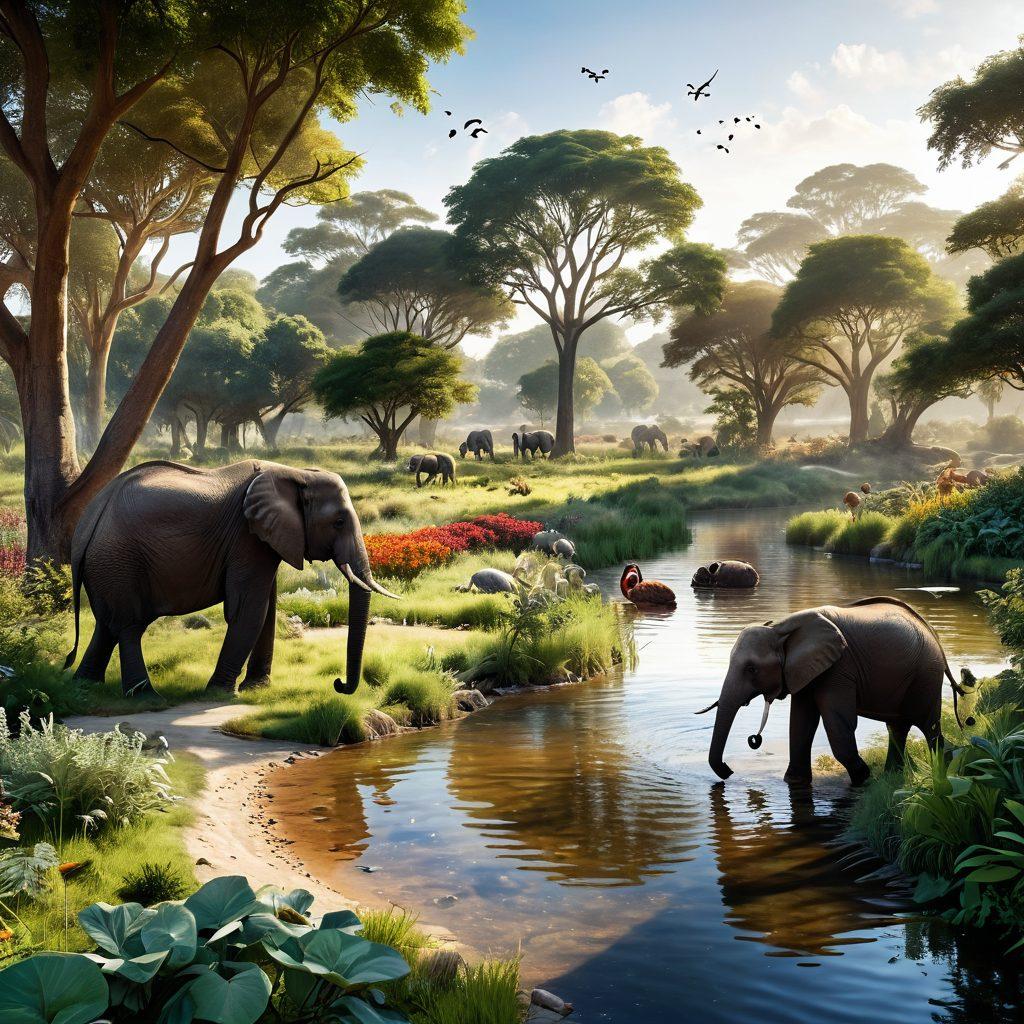
In a world buzzing with activities and urban development, it’s easy to overlook the intricate balance that exists within our natural ecosystems. Sustainability isn’t just a trendy term; it’s a necessity, and the pressing need for wildlife conservation and ecosystem preservation has never been clearer. Picture forests echoing with the calls of diverse wildlife and landscapes flourishing with life. How can we ensure that future generations enjoy this vibrant tapestry of biodiversity? Let's explore the strategies that can help us strike this delicate balance, because after all, a thriving planet is the best gift we can give to the next generation.
As foresters, we hold the tremendous responsibility to care for our forests, ensuring they remain robust and resilient. The approach to forest management must blend art and science, focusing on tree care, landscape management, and sustainable practices. It’s not just about planting trees; it’s about nurturing an environment where both flora and fauna can thrive. A forester equipped with knowledge on natural resource management can become the driving force behind effective wildlife conservation efforts. But what does it take to become that catalyst for change?
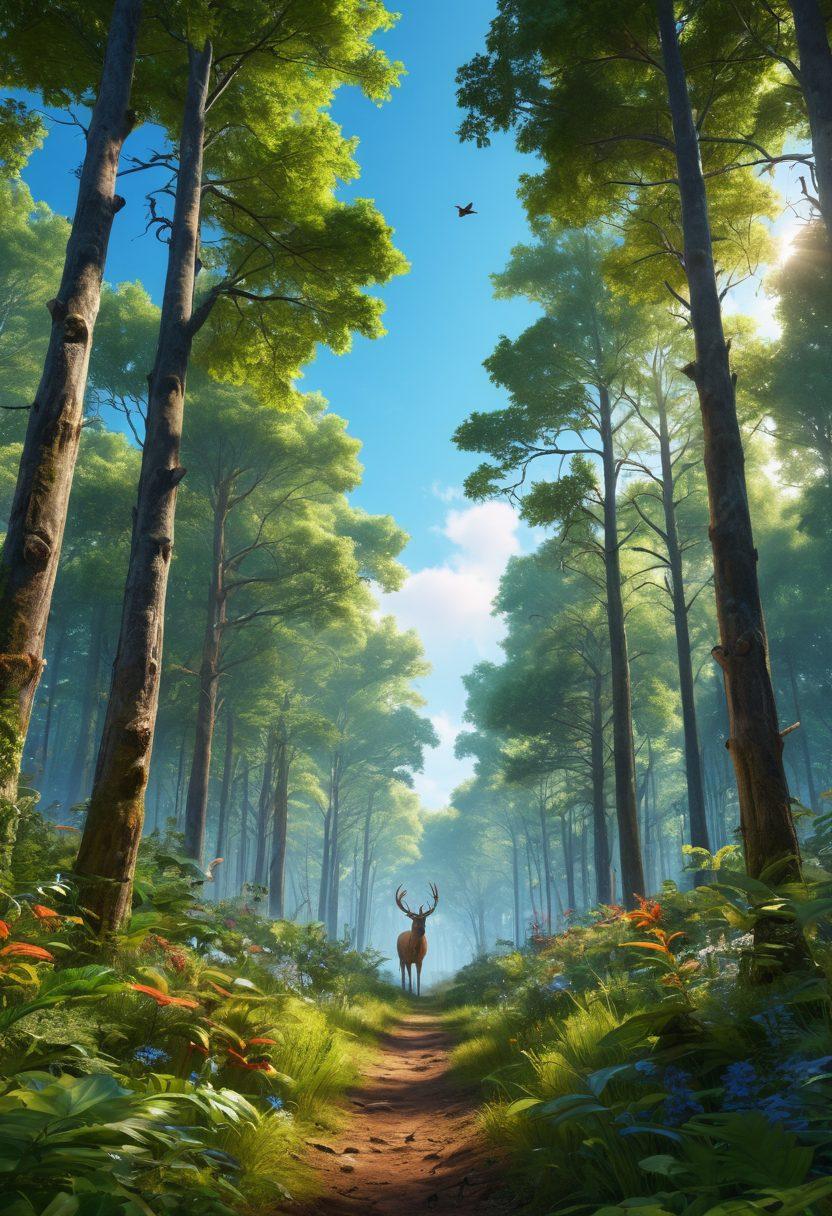
Imagine walking through a lush green space, filled with shades of green, the smell of rich soil, and perhaps spotting a deer or two. It’s those moments of connection with nature that give life its vibrant hue. Integrating agroforestry and horticulture into our land use practices can enrich not only the land but also increase biodiversity. As we implement strategies like tree planting and reforestation, we create habitats for diverse species while combating carbon emissions. Isn’t it fascinating how our actions can sow seeds for multiple benefits at once?
Environmental stewardship is not solely the responsibility of foresters or ecologists; it requires community involvement and cooperation. What role do you think you can play in wildlife conservation and ecosystem preservation? From participating in local tree planting initiatives to embracing educational programs that promote sustainability, we can engage in outdoor management efforts that make a tangible difference. Remember that even small actions, like creating a couple of green spaces in your backyard, can support thriving ecosystems.
With climate change knocking on our door, effective carbon management becomes imperative. Stewardship of our forests helps mitigate its impact, while promoting biodiversity. It’s imperative that we foster environmental education at every level, encouraging individuals to appreciate the interdependence of wildlife and ecosystems. As we embrace sustainable practices, we inspire others to follow suit. Just like a single tree can become a mighty forest, our collective efforts can create a lasting legacy of conservation and responsibility. Together, let’s champion these enduring practices for the health of our planet!
Growing Together: The Role of Sustainable Forestry in Environmental Stewardship
In a world that is rapidly changing, the concept of environmental stewardship is more vital than ever. When we think about our forests, we often envision lush greenery and vibrant ecosystems, teeming with life. But have you ever considered the profound impact of sustainable forestry on these landscapes? Sustainable forestry not only involves responsible tree care and forest management, but it also plays a key role in wildlife conservation and enhancing our natural resource management practices. As we explore the synergy between sustainable forestry and environmental stewardship, let’s take a journey through the forests of 'myforest' where every tree tells a story of balance, growth, and regeneration.
Imagine walking through an ancient forest, sunlight filtering through the leaves, and the chirping of birds singing in harmony with rustling branches. Each tree and shrub not only beautifies our planet but serves as an essential player in the ecosystem. By engaging in sustainable forestry practices such as reforestation, tree planting, and effective landscape management, we create green spaces that support biodiversity. In essence, we are nurturing a world where nature and humanity grow together, forming a dynamic relationship that honors the delicate balance of our environment. Each action we take, such as promoting agroforestry and horticulture, becomes a steppingstone towards fostering our planet's health and ecology.
It’s fascinating to think about how one small action can lead to significant changes. Have you ever pondered how the practice of carbon management contributes to the health of our forests? Trees absorb carbon dioxide, purifying the air and helping to combat climate change. Every time we engage in sustainable forestry _ practices, we are making strides toward the preservation of our ecosystems. By training our foresters to understand the importance of biodiversity and outdoor management, we help ensure that our forests flourish not just for us, but for future generations. This is environmental education in action; every lesson learned spreads awareness of our collective responsibility.
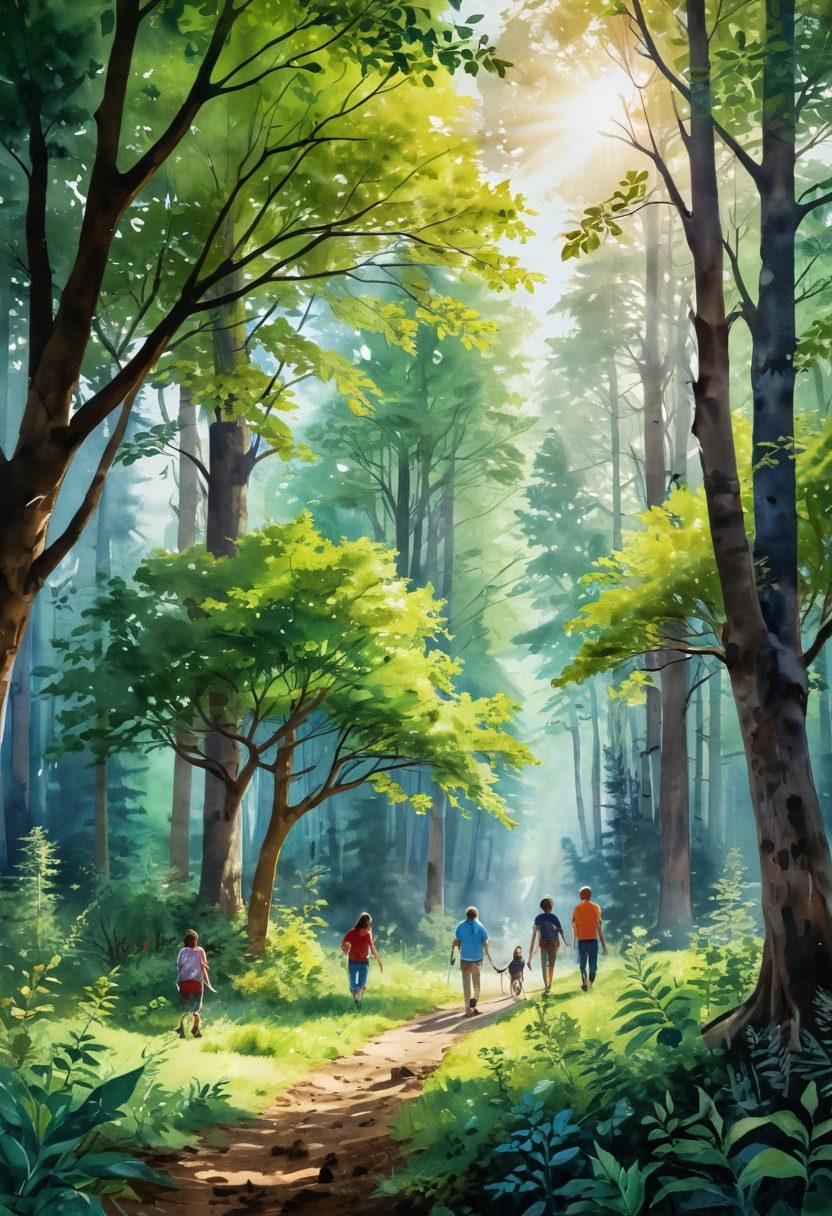
The journey of sustainable forestry is not merely about protecting our forests — it's also about nurturing the communities that depend on them. Eco-tourism thrives in regions where forests are preserved, and tree care practices are prioritized. Local economies benefit from forestry services that emphasize sustainability while providing citizens with the chance to connect with nature. When communities understand their role in forestry, they become stewards of their land. Picture this: a community that collaborates on workshops about tree care, learns about the importance of wildlife conservation, and engages in reforestation projects. Together, they foster a united front for ecosystem preservation.
The heart of sustainable forestry is the genuine commitment to grow together with nature. To fully embrace the role of environmental stewardship, we must continuously learn and adapt our practices. As we look towards the future, the call for sustainable forestry practices is loud and clear. The opportunities for involvement are endless — whether you’re planting a tree in your backyard, volunteering in local conservation efforts, or simply educating yourself about the importance of forest management and biodiversity. In this collective journey, remember that every small act counts. How will you contribute to the story of your forest?